Concrete Repair & Replacement
Fix damaged concrete or replace worn-out surfaces before small problems become expensive disasters.
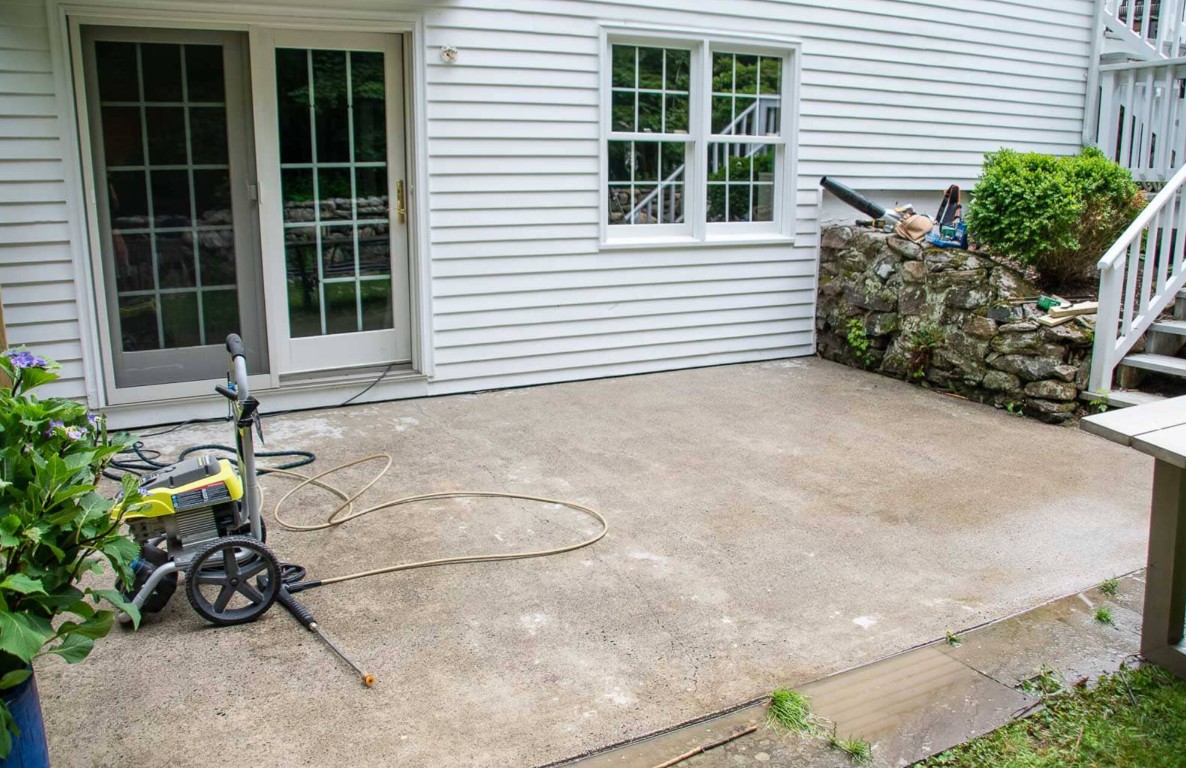
Cracked driveways, sunken sidewalks, or crumbling patio edges are more than just eyesores. They create tripping hazards, let water seep where it should not go, and get worse over time. The good news is that not all damaged concrete needs complete replacement. Many problems can be repaired effectively, saving you money while restoring safety and appearance.
Our team has been repairing and replacing concrete throughout El Centro since 2024. We evaluate your specific situation honestly and recommend the most cost-effective solution, whether that means targeted repairs or full replacement. Sometimes a simple fix does the job. Other times, replacement makes more sense for long-term value.
Common Concrete Problems We Fix
Concrete develops problems for various reasons. Understanding what causes damage helps you make informed decisions about repair versus replacement. Here are the issues we see most often:
- Cracks: Small hairline cracks are normal, but wider cracks let water penetrate and can indicate structural issues
- Spalling and flaking: Surface concrete chips away, exposing aggregate underneath and creating rough, damaged areas
- Settling and sinking: Sections drop below their original level, creating uneven surfaces and trip hazards
- Heaving: Ground movement or tree roots push concrete upward, creating raised areas and cracks
- Discoloration and staining: Oil, rust, or other substances stain the surface, though this is mostly cosmetic
- Edge deterioration: Edges crumble and break away, especially along driveways and walkways
- Surface erosion: Weather and wear break down the surface, creating pitting and rough texture
Some problems result from installation issues like inadequate base preparation or lack of reinforcement. Others come from age, weather exposure, or external factors like soil movement. We diagnose the root cause to ensure repairs address the underlying problem, not just cosmetic symptoms.
Should You Repair or Replace
This is the big question. Repair costs less upfront but might only be temporary for severely damaged concrete. Replacement costs more initially but can be the smarter long-term investment. We help you weigh the factors and make the right choice.
When Repair Makes Sense
Repairs work well when damage is localized and the underlying concrete remains structurally sound. If you have a few cracks, some surface spalling, or minor settling in one area, targeted repairs often solve the problem effectively. Repairs typically cost 30-50% less than replacement and cause less disruption to your property.
Consider repair when:
- Cracks are narrow and haven't spread extensively
- Only certain sections show damage while most of the concrete looks good
- The concrete is relatively new and damage came from isolated incidents
- You plan to upgrade or replace the surface in a few years anyway
- Budget constraints make replacement impractical right now
When Replacement is Better
Complete replacement makes sense when damage is widespread, the concrete has reached the end of its useful life, or underlying issues can't be fixed with surface repairs. If your driveway has extensive cracking throughout, major settling in multiple areas, or is just worn out from decades of use, replacement provides better long-term value.
Consider replacement when:
- More than 25-30% of the surface shows damage or deterioration
- The concrete is 30+ years old and showing its age
- You want to change the layout, size, or design
- Underlying problems like poor drainage or inadequate base preparation caused the damage
- You plan to stay in your home long-term and want a permanent solution
Concrete Repair Methods We Use
Different problems need different repair approaches. We use proven methods that deliver lasting results, not temporary cosmetic fixes that fail in a year or two.
Crack Repair and Sealing
We clean out cracks, inject or fill them with appropriate repair materials, and seal the surface. Small hairline cracks get filled with flexible sealants. Wider structural cracks may need epoxy injection or routing and sealing. The repair material must match the concrete's properties to prevent the repair from failing.
Surface Restoration and Resurfacing
When the surface is damaged but the underlying concrete is solid, we can apply new layers that bond to the existing concrete. Resurfacing creates a fresh, smooth surface and can add decorative finishes. This works well for spalling, light cracking, and worn surfaces.
Slab Jacking and Leveling
Sunken concrete gets lifted back to its original level using slab jacking techniques. We drill small holes, inject material underneath to raise the slab, then patch the holes. This costs much less than removing and replacing settled sections.
Partial Replacement
Sometimes the best approach is removing only the damaged section and replacing it. We cut out the bad concrete, prepare the base properly, and pour new concrete that ties into the existing surface. This gives you new concrete where you need it without the expense of replacing the entire area.
How We Handle Concrete Replacement
Complete replacement starts with removing the old concrete. We break it up, haul it away, and prepare the site properly. This is your opportunity to fix any underlying problems that caused the original concrete to fail.
We evaluate drainage and make corrections if needed. Poor drainage is the number one cause of concrete failure. If water pools around or under your concrete, we grade the site to direct water away from the surface. Sometimes this requires installing drainage systems or addressing landscape issues.
Base preparation gets done right this time. We excavate to proper depth, remove any soft or unstable soil, and install compacted aggregate base material. This creates the solid foundation that was probably missing from the original installation.
The new concrete gets poured with proper reinforcement and thickness for your specific application. Any experienced concrete contractor follows current building codes and best practices, which often exceed what was done when your old concrete was installed decades ago. The result is a properly built surface that will last for many more years.
Preventing Future Concrete Problems
Whether you repair or replace, you want the concrete to last. Good maintenance and addressing small issues quickly prevent major problems down the road.
Keep water moving away from concrete surfaces. Clean gutters and downspouts regularly. Make sure landscape watering doesn't constantly soak areas next to concrete. Water is concrete's worst enemy over time.
Seal your concrete every few years. Sealer protects against moisture penetration, chemical damage, and surface wear. It is cheap insurance that extends concrete life significantly. If you notice the sealer wearing off or water no longer beading up, it is time to reseal.
Fix small cracks promptly before they spread. A crack that is a quarter inch wide today might be an inch wide next year. Catching problems early keeps repairs simple and inexpensive.
Avoid using deicing chemicals that can damage concrete. Sand or alternative products work better in our area anyway. Keep heavy vehicles off residential concrete patios and walkways. And address tree roots before they heave concrete sections.
Got Damaged Concrete That Needs Attention?
Let's take a look and give you an honest assessment of what needs to be done. We'll explain your options and help you choose the solution that makes the most sense for your situation and budget.
(760) 997-7774