Retaining Walls & Concrete Masonry
Structural walls that hold back soil, prevent erosion, and create usable space on sloped properties.
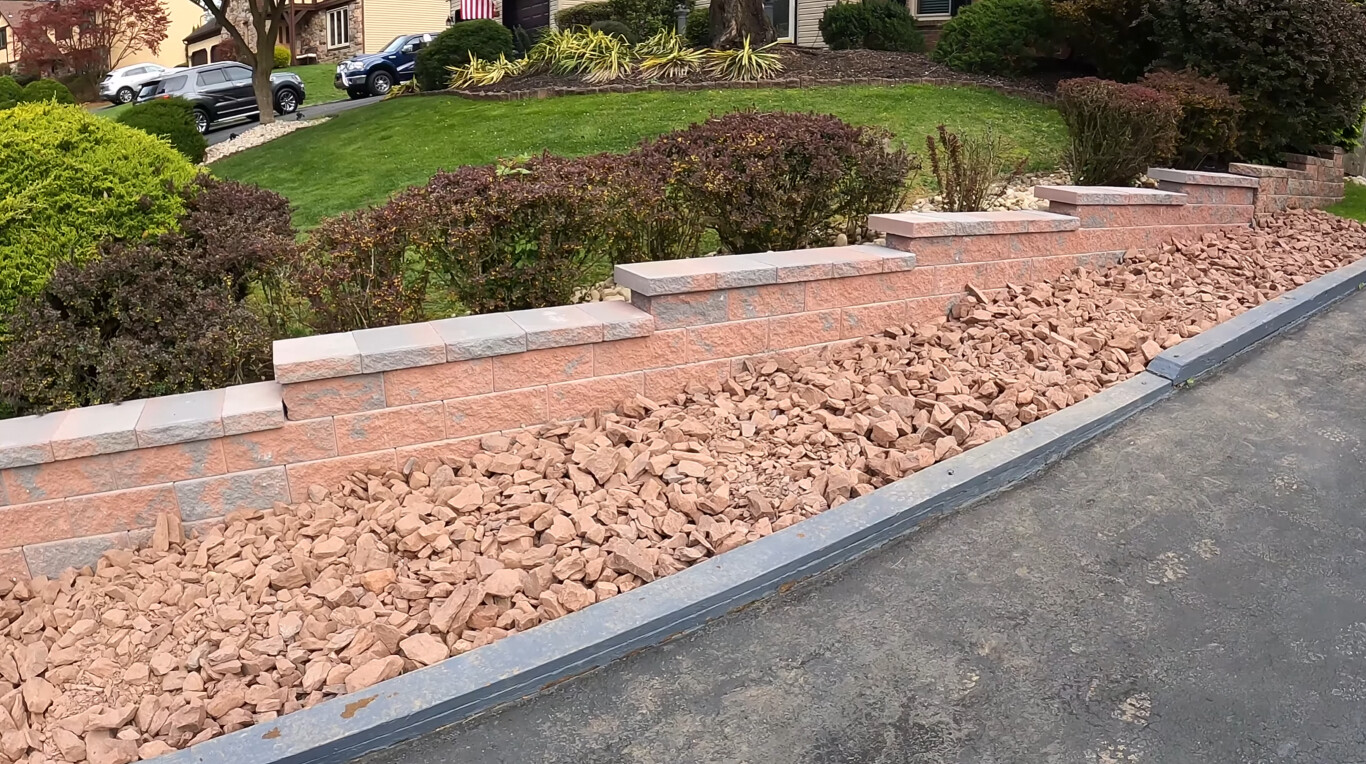
Sloped properties present challenges. Erosion washes away soil. Uneven terrain limits usable space. Water drainage becomes problematic. Retaining walls solve these issues by holding back soil, creating level areas, and managing water flow. But retaining walls are structural elements that must be designed and built correctly to perform safely over time.
Our team has been building retaining walls and concrete masonry structures throughout El Centro since 2024. We understand the engineering principles, drainage requirements, and construction techniques that make retaining walls stable and durable. From small garden walls to large structural installations, we build walls that last.
Why Retaining Walls Matter
Retaining walls serve important functions beyond just appearance. They solve real problems that affect your property's usability, safety, and value.
On sloped lots, retaining walls create flat, usable areas. You can build patios, install driveways, or create yard space that would otherwise be too steep to use. The wall holds back the hillside, creating a stable, level surface below or above it.
Erosion control is another critical function. Rain and irrigation water wash soil downhill, creating ruts and gullies while depositing sediment where you don't want it. Retaining walls stop this erosion by holding soil in place and directing water into proper drainage systems.
Property line issues get addressed with retaining walls. If your property sits higher than your neighbor's, a retaining wall on your side prevents your soil from sliding onto their land. This avoids disputes and liability issues while maintaining good neighbor relations.
Foundation protection matters too. Hillsides close to your house can threaten foundation stability. A properly designed retaining wall holds back the slope and protects your foundation from soil pressure and water intrusion.
Types of Retaining Walls We Build
Different situations call for different retaining wall types. The right choice depends on wall height, soil conditions, appearance preferences, and budget. We install all common retaining wall systems and help you choose what works best.
Concrete Block Retaining Walls
These walls use interlocking concrete blocks specifically designed for retaining wall construction. The blocks stack together and get pinned or interlocked for stability. Many styles are available, from plain utilitarian blocks to units that look like natural stone. Block walls work well for heights up to 6-8 feet and offer good value for most residential applications.
Poured Concrete Retaining Walls
For maximum strength and custom designs, poured concrete walls provide the ultimate durability. We build forms, install reinforcing steel, and pour concrete to create monolithic walls. These walls handle any height and can be formed to curves or custom shapes. Poured concrete works best for structural applications, tall walls, or situations where maximum strength is needed.
Concrete Masonry Walls
Traditional concrete block or cinder block walls offer economical solutions for many applications. We build these walls with proper footings, reinforcement, and drainage. While less decorative than some options, masonry walls provide solid performance at lower cost. They can be stuccoed or faced with stone veneer for improved appearance.
Tiered and Terraced Walls
Very tall slopes often work better with multiple shorter walls rather than one tall wall. Terraced systems create flat areas at different levels, reducing pressure on any single wall. This approach handles extreme slopes while creating interesting landscape features.
Engineering and Design Considerations
Retaining walls are structural elements that must withstand significant forces. The soil behind the wall pushes against it constantly. Water pressure adds to the load. Improper design or construction leads to wall failure, which can be dangerous and expensive to fix.
- Height and soil pressure: Taller walls face more pressure. Soil type affects how much force the wall must resist
- Foundation requirements: Walls need proper footings below frost line and bearing on solid soil
- Drainage systems: Water buildup behind walls causes failures. Proper drainage is non-negotiable
- Reinforcement: Steel reinforcing or geogrid systems strengthen walls and prevent collapse
- Batter and setback: Walls often lean slightly back into the slope for added stability
- Load conditions: Walls supporting driveways or buildings need engineering for these extra loads
For walls over 4 feet tall, most jurisdictions require engineering and permits. Even shorter walls benefit from proper design. We work with engineers when needed and follow proven design principles to ensure your wall performs safely and reliably.
How We Build Retaining Walls
Quality retaining wall construction follows established procedures that ensure stability and longevity. Shortcuts during installation lead to problems later.
We start by excavating for the footing or base. This means digging below the bottom of where the wall will sit to create a stable foundation. The footing gets leveled and compacted. For taller walls, we pour concrete footings. Shorter walls may use compacted aggregate base.
As the wall rises, we install drainage systems behind it. Perforated drain pipe at the base collects water and directs it away. Gravel backfill allows water to drain down to the pipe rather than building pressure against the wall. Drainage is the most important factor in retaining wall longevity.
Geogrid reinforcement gets installed at specified intervals for taller walls. These fabric sheets extend back into the soil, anchoring the wall and distributing loads. Each layer gets covered with compacted backfill before the next course of wall material goes on.
We backfill in stages, compacting each layer properly. This prevents future settling and ensures the wall has solid support. Drainage fabric goes against the back of the wall to prevent soil from clogging the drainage gravel.
After the wall is complete, we finish grading at top and bottom to direct surface water away from the wall. Proper surface drainage keeps excess water from adding to the load the wall must handle.
Why Drainage Systems are Critical
Most retaining wall failures trace back to inadequate drainage. Water buildup behind a wall creates enormous pressure. Saturated soil weighs significantly more than dry soil. Over time, this pressure pushes walls out of alignment or causes complete failure.
Proper drainage systems accomplish several things. They relieve water pressure behind the wall. They prevent soil saturation that increases loads. And they protect the wall materials from water damage.
A complete drainage system includes multiple components. Perforated drain pipe at the base collects water and carries it to designated drainage points. Gravel backfill provides a path for water to reach the drain pipe. Filter fabric prevents soil from washing into and clogging the drainage system. And surface grading directs rainwater away from the wall area.
We install proper drainage in every retaining wall we build. It costs relatively little during construction but prevents expensive failures later. Trying to add drainage to an existing wall is difficult and costly, so getting it right the first time matters tremendously.
Decorative Options and Finishes
Retaining walls don't have to look purely utilitarian. Many decorative options let you create attractive walls that serve structural purposes while enhancing your landscape design.
Decorative concrete blocks come in various colors, textures, and styles. Some mimic natural stone. Others have split-face textures or smooth contemporary finishes. These blocks cost slightly more than basic units but deliver much better appearance.
Cap blocks create finished tops for walls. They provide a clean edge and finished look while protecting the wall from water infiltration. Cap styles range from flat and contemporary to rounded traditional designs.
Poured concrete walls can be stamped, stained, or textured to create custom appearances. Stone veneer applied to concrete or block walls delivers the look of natural stone at lower cost than solid stone construction.
Curved walls, terraced designs, and integrated planters add visual interest. Built-in lighting creates dramatic nighttime effects. These features require more planning and skilled installation but transform functional walls into landscape features.
Need a Retaining Wall or Masonry Work?
Let's evaluate your property and discuss retaining wall options that solve your specific challenges. We'll explain what is needed and provide clear recommendations based on engineering principles and practical experience.
(760) 997-7774